War I
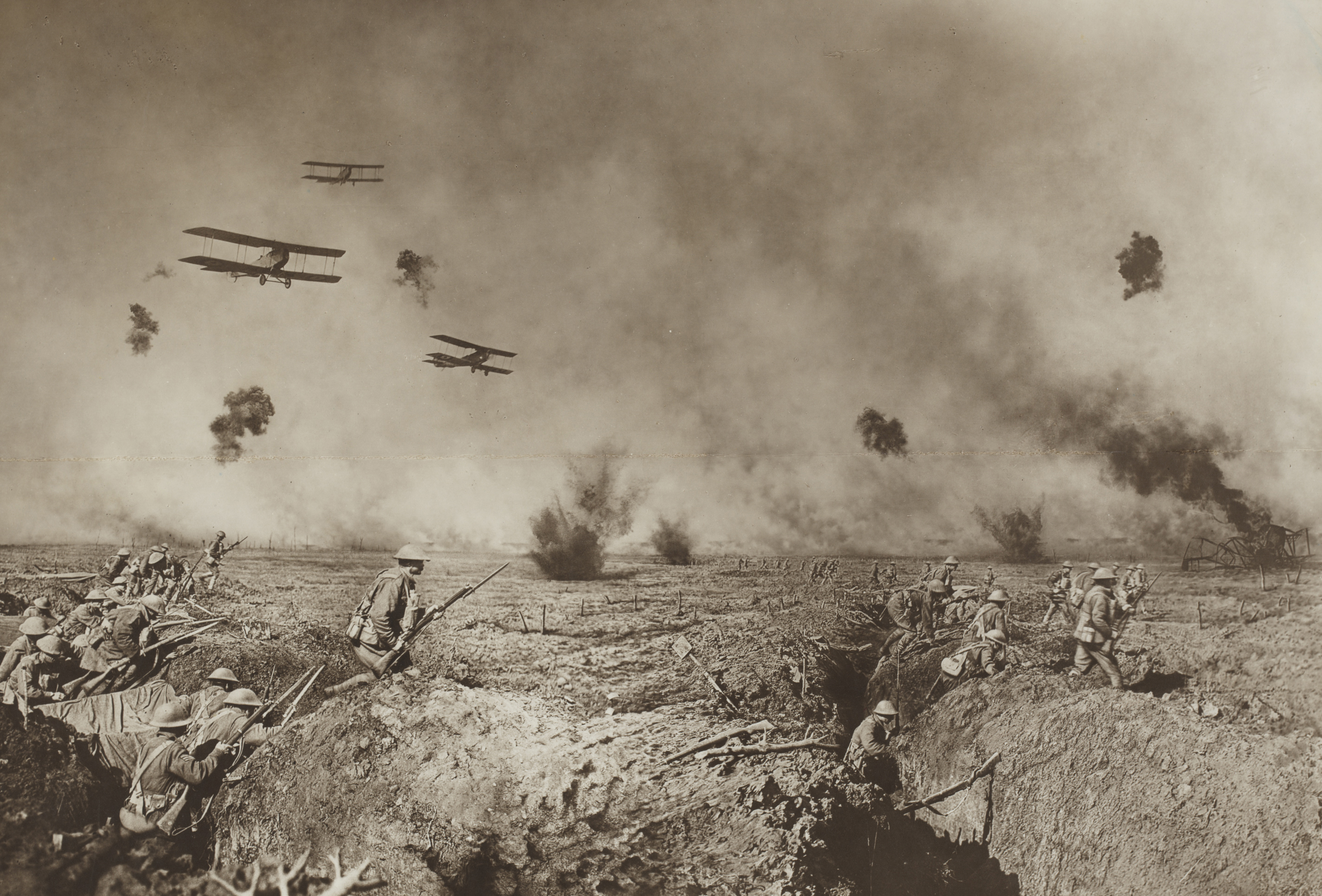


1918

Millions of lives lost.
A conflict that changed history forever.
THE
WARRING
NATIONS
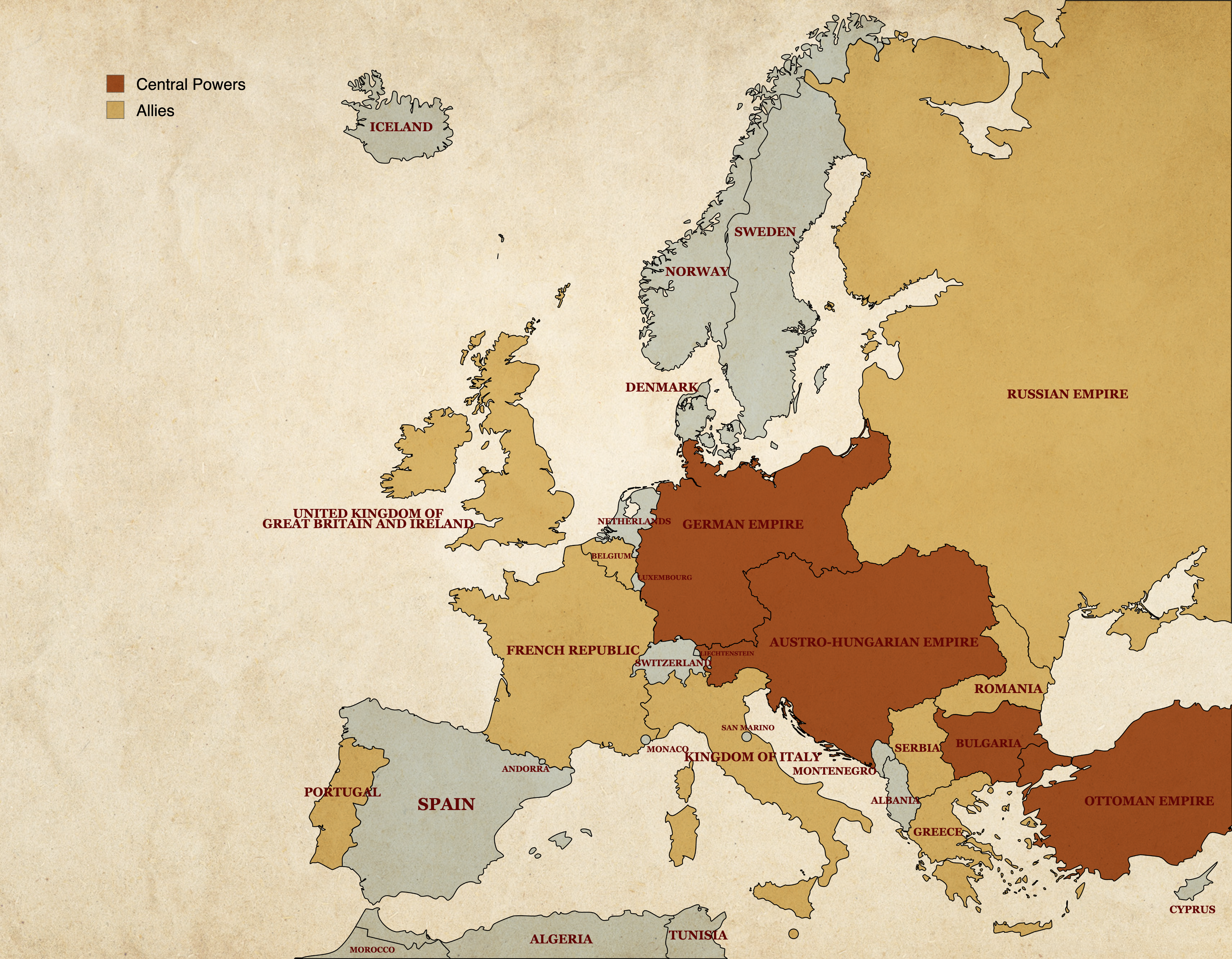
Europe divided. Tap a nation on the map to discover which side they fought on and their role in the Great War.

THE WAR AT A GLANCE

LIFE IN
THE WAR
Behind every battle were the men who lived it. Tap an object from the archive to uncover the human story of the Great War.
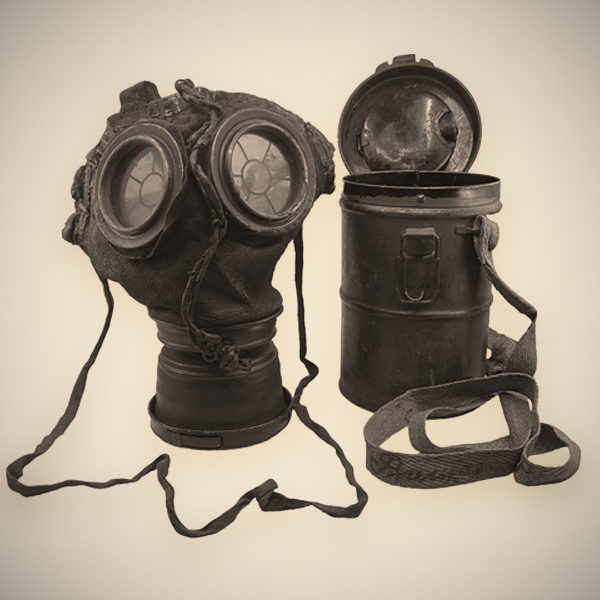
Gas Mask
The German army initiated chemical warfare at the Second Battle of Ypres. Some 5,000 troops were killed. By war's end, chemical weapons caused an estimated 1.3 million casualties.
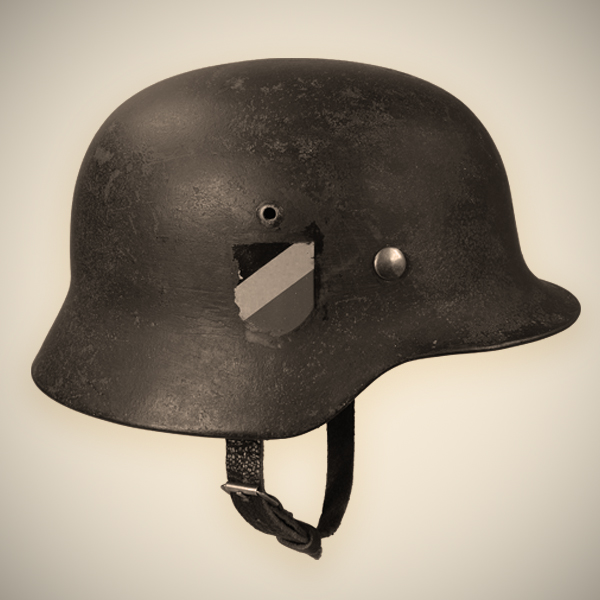
Steel Helmet
Before steel helmets became standard in 1916, soldiers wore soft cloth caps offering no protection. The steel helmet reduced head injuries by 75%, saving thousands of lives.
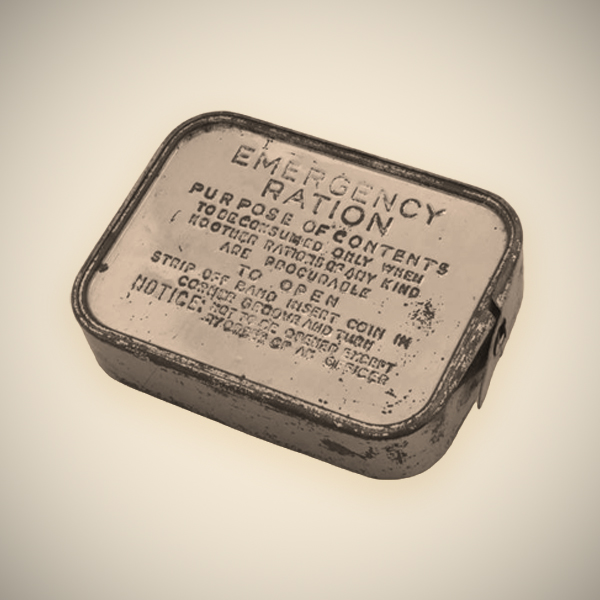
Ration Tin
By 1917 the daily ration for a British soldier was just 6 ounces of corned beef. Families sent parcels of chocolate, cake and tinned food from home to supplement their meals.
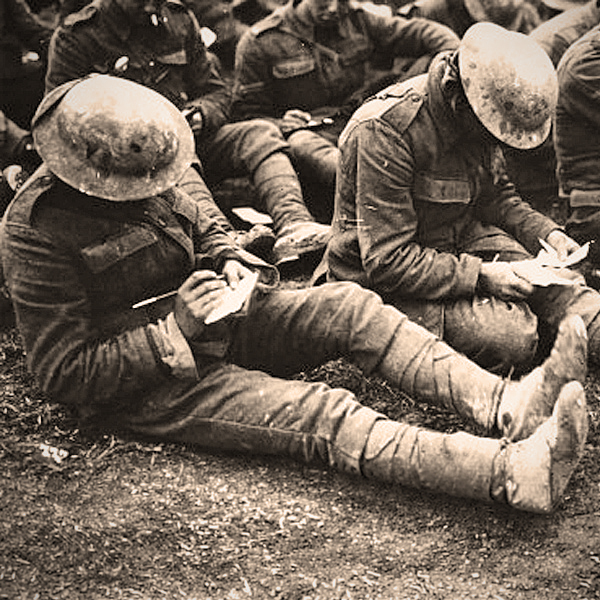
Letters Home
Reading and writing letters from home was a favourite pastime for soldiers. These letters were a lifeline connecting men on the front to the families they left behind.

The Rat Problem
A single rat couple could produce up to 900 offspring in a year, spreading infection and contaminating food. The rat problem plagued soldiers for the entire duration of the war.